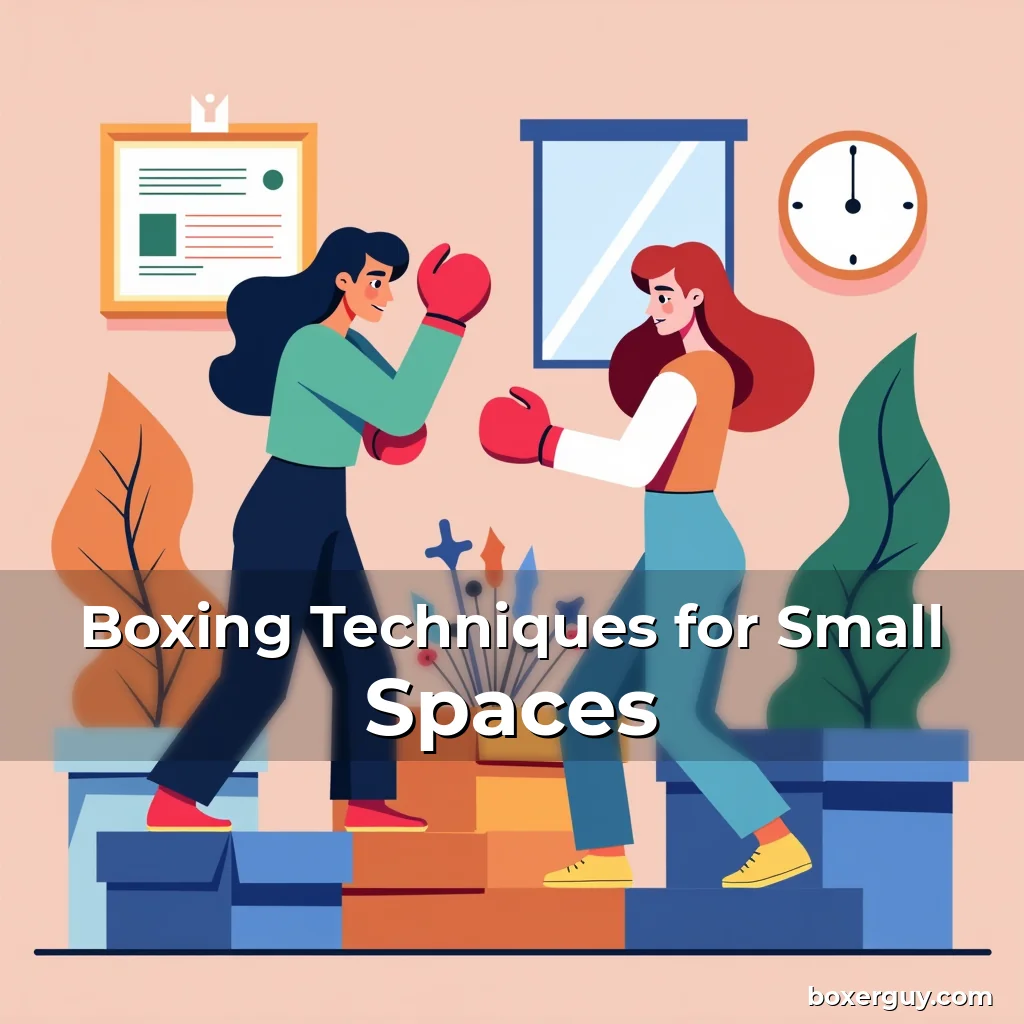
Boxing Techniques for Small Spaces
In today’s fast-paced world, finding dedicated space to practice boxing can be challenging. Whether you’re training at home or in a shared gym, maximizing efficiency within limited square footage is essential.
The right techniques can transform even the smallest corner into an effective training ground. This guide will explore how to adapt classic boxing methods to confined environments without sacrificing quality.
Fundamental Stance Adjustments
A modified stance allows boxers to maintain balance while conserving energy in tight areas. Lower your center of gravity by bending your knees slightly more than usual.
This adjustment provides better stability when moving between small targets or changing directions quickly. Keep your feet closer together for enhanced agility during close-quarters combat simulations.
- Bend knees deeper: Helps absorb impact from nearby walls or furniture used as makeshift pads.
- Cross hands below chest: Protects vital areas while allowing quicker arm movement for quick jabs.
Mobility Drills for Compact Areas
Limited floor space requires creative approaches to footwork development. Focus on lateral movements rather than forward-backward patterns typically seen in larger rings.
Incorporate shadowboxing routines that emphasize side-to-side steps instead of circular motion. This maintains cardiovascular fitness without needing extra room to maneuver.
Add resistance bands around both ankles to simulate pushing against imaginary opponents. These bands help develop explosive power despite restricted movement range.
Target Practice Adaptations
Transform household objects into functional training tools. Books stacked high make excellent focus mitts when practicing head shots under controlled conditions.
Draped towels over door frames serve as great dummy targets for working combinations. The soft surface reduces risk of injury compared to traditional heavy bags.
Use water bottles filled with sand or gravel as mobile targets for improving accuracy with straight punches and hooks.
Conditioning Exercises Within Constraints
Create circuits combining bodyweight exercises with punching drills. Burpees followed by three rounds of non-stop jabbing can build stamina efficiently.
Try mountain climbers interspersed with uppercut strikes targeting a stationary object. This combination improves core strength while maintaining hand-eye coordination.
Implement wall push-ups with alternating elbow extensions to mimic throwing crosses off the turn. It enhances shoulder mobility crucial for powerful blows.
Punching Technique Modifications
Adjust punch delivery angles to accommodate limited space constraints. Angle your lead hand inward slightly when throwing jabs to avoid hitting surrounding surfaces.
Raise your rear hand higher than normal when throwing counter-hits. This creates more distance between yourself and potential obstacles behind you.
- Narrower guard position: Reduces overall width occupied but may leave slight gaps vulnerable to low kicks.
- Slower punch recovery: Allows time to reposition before delivering another strike in cramped situations.
Defense Strategies for Confined Zones
Close quarters demand different defensive tactics. Instead of full retreats, employ subtle head movements to dodge incoming strikes effectively.
Practice slipping with minimal body displacement. Slight shifts of weight onto either heel allow evasive maneuvers without requiring much open space.
Develop quick parrying skills using the arms as shields rather than relying solely on blocking with gloves.
Utilize the environment strategically. If possible, position yourself near a wall so you have something solid to brace against during defensive actions.
Partner Work Solutions
When training with a partner, establish clear boundaries using tape lines or temporary markers. This ensures safe distances are maintained during sparring sessions.
Rotate positions frequently to prevent fatigue from constant exposure to the same side. Alternate between left and right stances every few minutes during bag work.
Focus on technical aspects rather than contact intensity when working closely with partners. Emphasize timing and precision over raw power output.
Recovery Methods for Space-Limited Athletes
Incorporate stretching routines that require little to no equipment. Wall stretches for hamstrings and hip flexors are particularly beneficial after intense workouts.
Perform self-myofascial release using foam rollers stored beneath workout benches or shelves. Target key muscle groups involved in punching mechanics daily.
Alternate ice baths with hot showers whenever possible. This contrast therapy helps reduce inflammation while promoting blood circulation through compressed vessels.
Equipment Optimization Tips
Choose compact yet durable gear suitable for smaller spaces. Foldable training bags mounted on walls save valuable floor area while providing target practice opportunities.
Invest in adjustable speed bags that can be hung from ceiling joists. They offer versatile training options without taking up significant horizontal real estate.
Select lightweight gloves designed specifically for home workouts. Their reduced bulk makes storage easier while still offering adequate protection.
Training Schedule Design for Limited Environments
Structure weekly plans based on available hours rather than conventional ring time measurements. Divide sessions into focused skill blocks lasting approximately 15-20 minutes each.
Vary activities between days to prevent overuse injuries. One day might concentrate on footwork fundamentals while another focuses exclusively on defense techniques.
Schedule regular maintenance periods where you assess progress and adjust routines accordingly. This keeps motivation levels high through measurable improvements.
Community Resources & Support Networks
Connect with local boxing communities through social media platforms or neighborhood forums. Many experienced fighters share helpful tips tailored for small-space training scenarios.
Participate in online challenges hosted by professional trainers who understand the limitations faced by urban athletes. These virtual competitions often feature customized scoring systems.
Attend workshops focusing on efficient training methods that maximize results regardless of physical space availability. Some gyms now offer specialized courses for apartment dwellers.
Performance Metrics for Home Trainers
Track personal milestones such as increased punch count per minute or improved reaction times measured through smartphone apps designed for boxing analytics.
Record video footage periodically to analyze form changes over time. Pay attention to subtle adjustments that indicate growing proficiency in adapted techniques.
Compare performance data across different types of workouts to determine which strategies yield best results for individual needs.
Adapting to Different Surface Types
Hardwood floors provide excellent traction but increase joint stress during landings. Consider wearing shock-absorbing insoles during intensive training sessions.
Carpeted surfaces offer natural cushioning however they may hinder precise foot placement. Regularly clean mats to ensure optimal grip during complex moves.
Concrete or tile flooring requires special padding underneath training equipment to protect both joints and floor integrity from repeated impacts.
Creating Visual Training Aids
Hang visual cues above your training zone showing correct posture alignment and striking angles. Use contrasting colors for easy visibility during dynamic movements.
Set up mirrors along walls facing your workout area. They enable instant feedback regarding form consistency and symmetry between limbs.
Print out instructional diagrams highlighting common mistakes made by beginners in confined settings. Reference them regularly during practice sessions.
Building Mental Resilience Through Space Challenges
Treat spatial restrictions as mental hurdles rather than physical limitations. Develop problem-solving abilities by creating new solutions to recurring issues encountered during workouts.
Practice mindfulness meditation before each session to enhance concentration capabilities within constrained surroundings. This improves decision-making speed during actual matches.
Visualize successful execution of techniques in various imaginary scenarios involving different obstacle placements. This mental rehearsal strengthens neural pathways associated with motor skills.
Progression Pathways for Advanced Practitioners
Advanced trainees should gradually introduce more complex combinations while refining existing techniques. Begin incorporating multi-level strikes that utilize vertical dimensions fully.
Experiment with hybrid styles blending elements from different martial arts disciplines suited for narrow confines. This broadens tactical understanding beyond traditional boxing frameworks.
Seek mentorship from professionals familiar with unconventional training environments. Their guidance can reveal hidden potentials within current limitations.
Conclusion
By embracing innovative adaptations, boxers can achieve remarkable progress even within the most restrictive spatial constraints. Every limitation presents an opportunity for creative growth.
Remember that consistent application of these techniques combined with periodic evaluation leads to continuous improvement. Stay committed to exploring new ways of optimizing your training experience.
“`