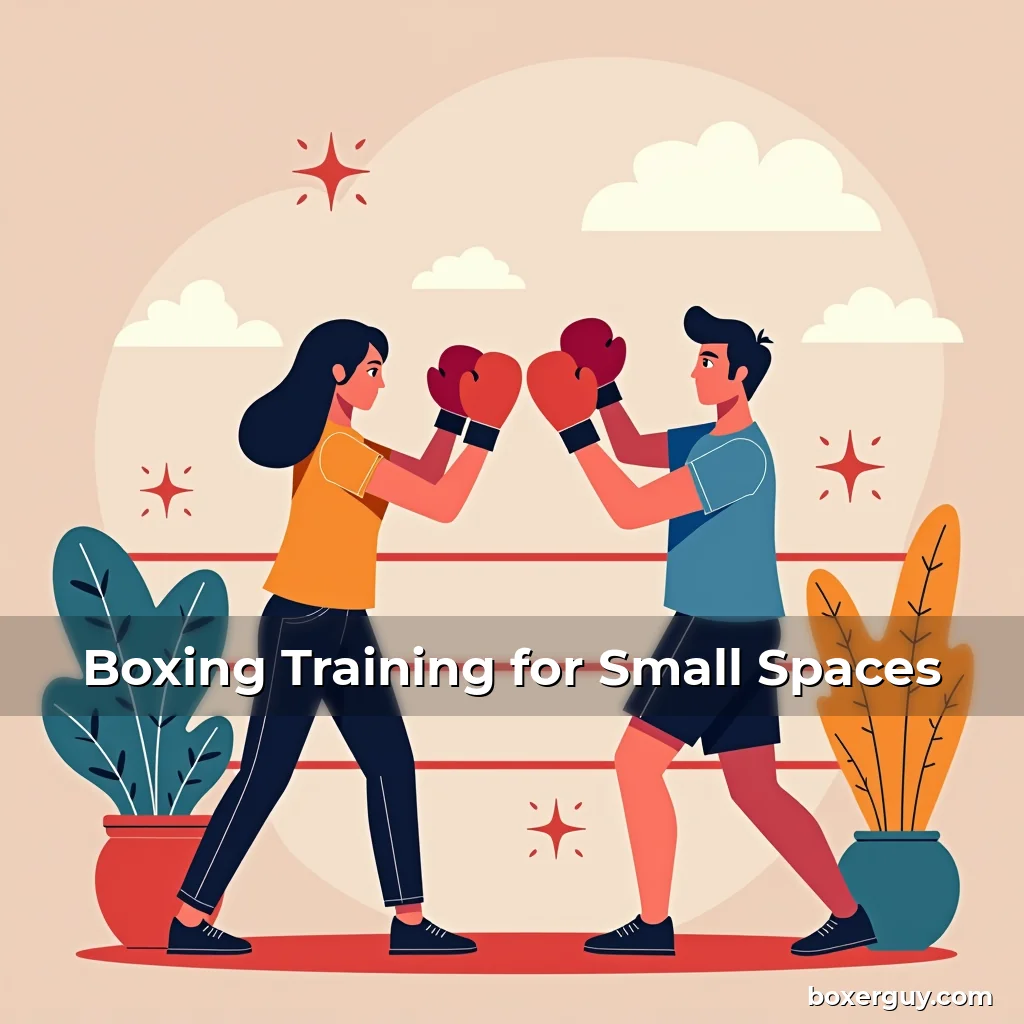
Boxing Training for Small Spaces
In today’s fast-paced world, finding dedicated time and space for fitness routines can feel nearly impossible. For many aspiring boxers, especially those living in urban apartments or compact homes, traditional gyms often seem unattainable due to costs, travel time, or simply a lack of availability. However, boxing—an intensely effective full-body workout—isn’t exclusive to professional arenas or commercial facilities.
The beauty of boxing lies in its adaptability. Whether you’re aiming to build strength, enhance coordination, or pursue competitive success, you can achieve remarkable results right in your own home. This guide explores innovative ways to create a functional boxing environment even in cramped quarters, focusing on maximizing efficiency without compromising quality or safety.
By leveraging smart equipment choices, creative training techniques, and strategic planning, anyone can transform a modest room or corner into a dynamic training zone. From basic strikes to advanced footwork drills, we’ll walk through every step required to develop elite skills—even if your “gym” fits inside a closet.
Setting Up Your Home Boxing Arena
A well-designed home setup is foundational for consistent progress. While dedicated basement studios or garage gyms offer ideal conditions, most people train successfully in smaller areas like bedrooms, balconies, or spare rooms. The secret lies in optimizing what little space you have rather than waiting for perfect circumstances.
Your primary concern should be establishing a safe perimeter free from fragile objects or hazards. A minimum clearance of 6 feet around your training area allows adequate movement without risking injury from collisions. If floor space is tight, consider using wall-mounted brackets or folding racks to store gear vertically instead of cluttering horizontal surfaces.
Mirrors play a surprisingly vital role in solo practice. Positioning one opposite your training spot enables real-time visual feedback for refining technique. You’ll notice immediate improvements in stance alignment, hand positioning, and body mechanics when you can see yourself moving in real time.
Lighting is another frequently overlooked factor. Natural daylight provides optimal visibility, but if that’s unavailable, invest in adjustable LED strips or overhead lighting that mimics sunlight patterns. Proper illumination reduces eye strain during long sessions and helps identify subtle technical flaws in your movements.
- Punching Bags: Choose compact models designed for small spaces. Wall-mounted double-ended bags save floor space while providing multidirectional resistance.
- Corner Setup: A simple corner mat creates instant boundaries for practicing footwork and combinations. Use tape lines on the floor to mark target zones.
- Storage Solutions: Utilize hanging organizers or vertical storage systems to keep gloves, wraps, and headgear neatly arranged without taking up precious square footage.
Essential Gear for Compact Training
Selecting appropriate equipment makes all the difference when working with spatial limitations. Rather than opting for bulky commercial-grade gear, focus on versatile tools that serve multiple purposes. Quality over quantity becomes paramount here—if you prioritize durability and functionality, your investment pays dividends for years.
A high-quality pair of boxing gloves is non-negotiable. Look for 14-ounce wraps that offer sufficient padding without excessive bulk. These gloves protect your hands while allowing precise control during bag work and partner drills. Remember to replace them regularly as the foam compresses over time.
Foam rolling tools and massage guns become invaluable allies in preventing injuries caused by repetitive motions. Allocate 10 minutes before and after each session to maintain muscle flexibility and reduce post-workout soreness. Portable options let you move these essentials easily between training spots if needed.
Headgear protects against accidental impacts during sparring sessions. Choose lightweight versions that allow unrestricted vision and hearing. For beginners, closed-face protection offers added security until confidence levels increase significantly.
Pro Tip: When purchasing speed bags, opt for the smallest diameter possible that still allows comfortable striking. Smaller bags encourage faster hand turnover rates, improving overall dexterity and reaction times.
Different training phases demand varied toolsets. During early stages focused on fundamentals, minimalistic approaches yield best results. As proficiency grows, gradually incorporate specialized accessories like focus mitts or resistance bands for enhanced challenge levels.
Mastering Shadowboxing Techniques
Shadowboxing forms the backbone of self-training, allowing practitioners to refine technique without external interference. In confined settings, this method proves particularly advantageous because it requires no additional equipment besides a spacious enough area.
To begin, establish a consistent rhythm by tapping your left glove lightly against your right palm. This synchronized motion sets the tempo for your entire routine. Maintain good posture with shoulders relaxed and hips slightly bent, imagining you’re facing an invisible opponent.
Vary your stance periodically to simulate real match scenarios. Practice alternating between orthodox and southpaw positions to develop ambidextrous capabilities. Notice how shifting stances affects balance and reach dynamics differently depending on your dominant side.
Focus intently on each component of your punches—the extension, rotation, and retraction phases. Visualize targeting specific anatomical points on your imaginary foe while maintaining controlled breathing patterns. Incorporate defensive maneuvers like slips and ducks mid-combo to add complexity.
Record yourself occasionally to analyze form objectively. Watch playback slowly to detect minute adjustments needed in wrist angle or elbow placement. Consider investing in a phone mount to secure your device near the training area for easy recording sessions.
Effective Bag Work Strategies
Working with punching bags remains one of the most efficient ways to translate shadowboxing practice into tangible power development. Even limited floor space accommodates effective bag sessions when approached strategically.
Begin with a light warm-up consisting of 2-minute rounds with moderate intensity. Focus on accuracy over force initially—proper form prevents unnecessary wear-and-tear on joints. Gradually increase pressure as familiarity improves.
Experiment with diverse strike combinations that mimic actual combat situations. Alternate between jab-cross sequences, uppercut hooks, and straight punches timed with foot shuffles. Vary speeds deliberately to cultivate versatility under duress.
Integrate bag drills that emphasize endurance building. Try performing continuous 3-minute rounds with scheduled rests in between. Track heart rate during these intervals to monitor cardiovascular gains systematically.
Don’t overlook lower-body engagement entirely. While hitting bags primarily activates arm muscles, core stability plays a pivotal role in generating powerful shots. Engage abdominal muscles actively during each punch delivery to maximize energy transfer efficiently.
Footwork Drills in Tight Quarters
Agile footwork distinguishes skilled fighters from amateurs, enabling quick directional changes and maintaining distance control. Fortunately, excellent footwork training doesn’t necessitate vast open spaces—it can thrive within narrow confines when executed correctly.
Create makeshift boundary markers using cones or rolled towels placed approximately two meters apart. Use these reference points to practice lateral slides, backward steps, and pivot turns repeatedly. Aim for smooth transitions between movements without losing balance.
Try incorporating ladder drills modified for small areas. Instead of traversing full ladders, use parallel lines drawn across the floor spaced roughly six inches apart. Perform rapid heel-toe steps along these marks to boost coordination and reflexes simultaneously.
Cross-step drills prove exceptionally beneficial despite requiring minimal room. Begin by stepping forward diagonally with the lead leg while shifting weight onto the trailing limb. Follow through with a quick retreat step to complete the circuit. Repeat continuously adjusting pace accordingly.
Combining these fundamental moves into structured circuits enhances effectiveness further. Design sequences mixing sliding, pivoting, and crossing steps with planned rest periods between cycles. Monitor improvement consistently by timing each repetition progressively reducing pauses as skill develops.
Sparring Tips Without Partner Access
While direct sparring experiences with partners accelerate learning curves dramatically, substitutes exist for those lacking regular access to training partners. Creative problem-solving transforms limitations into opportunities for growth in unexpected ways.
Use focus mitts held at waist height to simulate incoming attacks. Move your hands rapidly from low to high targets mimicking realistic attack angles. Rotate your torso naturally when dodging to engage core musculature effectively.
Practice counter-punching techniques by reacting to prearranged signals. Agree upon specific cues—like clapping hands twice—that indicate when to throw a particular response shot. Build confidence incrementally increasing difficulty levels over successive attempts.
Incorporate mirror work extensively during this phase too. Stand facing away from the glass and execute defensive actions while observing reflections closely. Pay attention to head movement patterns and body alignment deviations needing correction.
Video analysis emerges as another powerful tool. Film yourself executing defense mechanisms then review recordings frame-by-frame identifying gaps in coverage or delayed reactions warranting refinement.
Nutrition and Recovery Essentials
Sustaining peak performance demands meticulous attention to nutritional intake alongside rigorous training regimens. Regardless of location, adopting healthy eating habits fuels bodily functions optimally supporting intense physical activity levels required for boxing excellence.
Hydration constitutes the cornerstone of effective recovery processes. Carry water bottles throughout daily activities ensuring constant replenishment maintains electrolyte balances properly. Sports drinks containing sodium chloride aid replenishing lost minerals during prolonged exertion episodes.
Carbohydrate consumption should follow cyclical patterns aligned with workout intensities. Consume complex carbohydrates before sessions—whole grains, fruits, vegetables—to sustain energy reserves longer. Post-exercise meals rich in protein assist muscle repair mechanisms swiftly afterward.
Supplemental support complements dietary efforts significantly. Creatine monohydrate boosts ATP production enhancing explosive power outputs. Branched-chain amino acids prevent premature fatigue during extended conditioning periods.
Sleep duration correlates strongly with muscular regeneration capacities. Strive for eight hours nightly allowing growth hormone secretion peaks occurring primarily during deep sleep stages. Consistent bedtimes regulate circadian rhythms promoting better recovery outcomes altogether.
Mental Preparation Tactics
Success in boxing extends far beyond raw athleticism; cultivating unwavering mental fortitude separates champions from contenders. Mental resilience builds concurrently with physical prowess through targeted cognitive exercises reinforcing psychological toughness essential for competition environments.
Visualization techniques sharpen concentration abilities profoundly. Close eyes and mentally rehearse entire fight sequences vividly experiencing each sensation precisely. This method strengthens neural pathways associated with actual execution significantly.
Mindfulness practices foster emotional regulation crucial amidst high-stress scenarios. Dedicate ten minutes morning and night employing breath awareness meditation calming nervous system responses automatically.
Goal-setting frameworks anchor determination towards achievable milestones progressively pushing limits outwardwardly. Employ SMART criteria defining Specific Measurable Achievable Relevant Timed objectives keeping motivation consistently high throughout journeys ahead.
Cognitive behavioral therapy principles modify negative thought patterns impeding progress. Challenge irrational beliefs replacing them with constructive affirmations fostering positive expectations surrounding future accomplishments realistically.
Cost-Effective Training Alternatives
Financial constraints shouldn’t deter passionate individuals pursuing boxing aspirations. Numerous affordable options enable exceptional training experiences without breaking budgets excessively. Strategic purchases ensure value retention maximizing utility across various disciplines seamlessly.
Borrowing equipment temporarily presents viable solution when initial investments appear daunting. Local gyms often permit temporary usage arrangements through membership programs facilitating trial periods assessing suitability before committing financially.
DIY projects inject personal flair transforming ordinary household items into functional training aids. Repurpose old backpacks as weighted vest prototypes adding resistance during conditionals drills inexpensively.
Free online platforms house extensive instructional videos guiding users comprehensively through beginner to advanced level curriculums requiring nothing more than commitment and willingness to learn diligently.
Community involvement expands resource pool considerably. Join local martial arts groups sharing knowledge freely exchanging equipment loan agreements fostering collective advancement mutually benefitting participants alike.
Tracking Progress Effectively
Measuring improvements quantitatively keeps motivation elevated throughout training journeys. Establish baseline metrics evaluating current abilities serving as benchmarks against which future achievements compare favorably showing tangible evidence demonstrating effort yields worthwhile returns.
Weigh-in records document fluctuations tracking lean mass acquisition versus fat reduction percentages accurately. Take measurements monthly noting changes in circumferences across key body regions indicating muscular hypertrophy developments positively.
Heart rate variability monitors assess physiological stress levels detecting overtraining signs preemptively allowing timely interventions preserving health integrity critically important sustaining longevity within demanding sports fields.
Performance logs chronicle specific achievements highlighting strengths pinpointing weaknesses directing focus precisely where enhancements gain most traction accelerating mastery trajectories substantially.
Regular assessments conducted bi-weekly evaluate technical proficiency measuring strike accuracy speed distances covered during footworks routines consistently gauging developmental progression objectively.
Conclusion
This guide has explored numerous facets composing successful boxing training regimes adaptable to confined environments regardless of available space dimensions. From constructing personalized home gyms to mastering essential techniques, every element contributes synergistically toward achieving athletic excellence.
Remember, consistency supersedes sporadic intensive efforts yielding superior long-term benefits. Implement recommended practices routinely applying acquired knowledge practically witnessing gradual transformations manifest physically visibly. Keep exploring innovative methodologies continually evolving personally propelling forward relentlessly pursuing boxing greatness fearlessly within any given circumstance life presents.
“`html
“`

news is a contributor at BoxerGuy. We are committed to providing well-researched, accurate, and valuable content to our readers.